

Spend enough time around the art world and you start hearing a lot of advice. There are rules about which artists to buy first, how much to spend, where a work should hang, whether two works by the same artist belong in the same room, even how much of a wall should be left empty.
Buying art can be intimidating. Unlike a sofa or a lamp, an artwork does not come with an obvious measure of usefulness. There is no obvious way to know whether you've made the right choice. So we look for guidance. We look at what other people are buying, what critics are saying and whether the work is likely to hold its value. Rules make the decision feel safer. But the problem begins when the rules start doing the looking for us.
Then there is the question of where a work should hang. You may hear that the largest wall in the house deserves the most important piece, or that works by the same artist should be spread throughout a space. But spend time looking at actual collections and the rules become less convincing.
Sometimes several works by the same artist sitting together can make a room more interesting. One work changes when it is beside another. You notice a shift in colour, a recurring shape, a change in scale, or even how the artist's treatment of the surface changes from one piece to the next. What looked repetitive at first can reveal differences you might have missed on their own.
And sometimes separating works makes perfect sense. There is no universal answer because what works depends on the room, the works themselves and the person living with them.
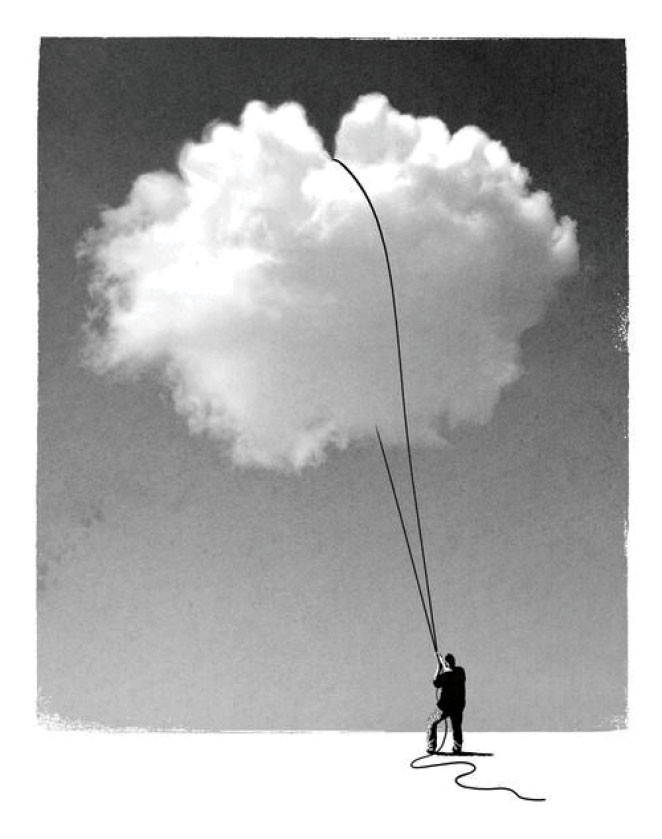
Collecting becomes much more personal when you start paying attention to your own responses rather than trying to reproduce someone else's idea of a good collection. You might notice that you are always drawn to paintings with rough surfaces. Or figures that seem slightly strange. Or a particular colour that keeps appearing in the works you save, even though you never thought of yourself as someone who liked it. These repetitions are useful. Instead of building a list of rules, build an internal compass. Choose a few words that describe what you want to live with. Perhaps you're drawn to things that feel raw and material, or playful, intimate, severe or a little strange.
These words do not have to become rules. They help you notice what already catches your eye. And the more you look, the more you begin to recognise what holds your attention. But trusting your instinct does not mean buying the first thing that catches your attention. It means paying attention to what keeps catching your attention. Look at something once, then come back to it later. What do you remember? What has stayed with you? Which works do you find yourself returning to when there are twenty others in the room?
Sometimes the artwork you cannot stop thinking about is more interesting than the one you immediately decided you liked. Over time, these observations begin to reveal something about your taste.
And that is where a collection starts to take shape. Not necessarily with a large budget or an encyclopaedic knowledge of art history. Not with the perfect wall or a carefully calculated number of works. But with noticing.
So if you are standing in front of a work and wondering whether it is the right one, ask yourself one thing. Do I want to keep looking?
You can learn the market, the history, or how to frame a work, where to hang it and when to buy it. But spend just as much time learning what you see.
Because there may be no right way to collect art. There is only the slow process of figuring out what you cannot quite bring yourself to walk away from.